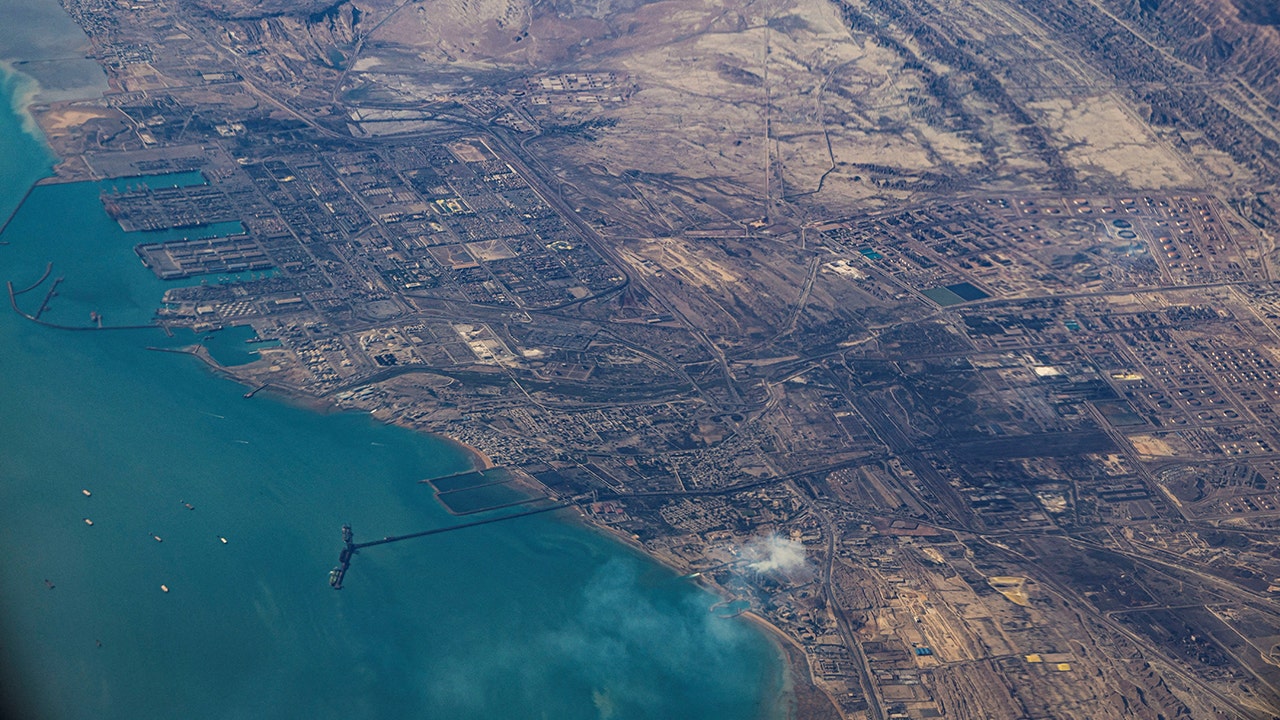
The global energy landscape has been rocked by a dramatic surge in crude oil prices, with Texas Intermediate (WTI) futures climbing more than 8% in the immediate aftermath of a significant geopolitical escalation in the Middle East. The joint attack by the United States and Israel on Iran, which reportedly claimed the life of Supreme Leader Ayatollah Ali Khamenei and much of his military leadership, has ignited fears of widespread supply disruptions, sending shockwaves through commodity markets worldwide.
This weekend’s events have laid bare the profound fragility of global energy security, underscoring Iran’s critical, and often volatile, role in the international petroleum supply chain. As traders digested the news, WTI crude futures shot up by $5.64 from Friday’s closing price, signalling a market bracing for severe consequences. The sudden spike is not merely a knee-jerk reaction; it reflects deep-seated concerns over the stability of the region and, crucially, the unimpeded flow of oil from the Persian Gulf. The market’s response to crude oil following the strike on Iran suggests that investors are pricing in a prolonged period of uncertainty.
Iran's Pivotal Role in Global Oil Supply
To understand the magnitude of this price surge, one must appreciate Iran’s unique position in the global energy ecosystem. The Islamic Republic is far more than just another oil-producing nation; it is a linchpin of the Middle Eastern energy infrastructure, capable of influencing global supply and prices in profound ways.
A Key OPEC+ Player and Its Production Prowess
Iran is a significant member of the OPEC+ alliance, consistently ranking among the top producers. Despite years of international sanctions, its oil industry has proven remarkably resilient. The country maintains a crude oil production output of approximately 3.3 million barrels per day (bpd), contributing roughly 4.5% to global pumping capacity and holding about 10% of the world's total crude oil reserves. This makes it the third-largest producer by volume within OPEC.
The vast majority of this production—between 80% and 90%—is exported, primarily to China, making oil the absolute bedrock of Iran's economy. Any threat to this production capacity, or its ability to export, has immediate and far-reaching implications for global supply. Even though European countries may not directly import Iranian oil, the indirect impact of a significant reduction in overall global supply, or a sustained period of high prices for petroleum after the attack, will inevitably be felt through increased costs for all oil-importing nations.
The Strategic Chokepoint: Strait of Hormuz
Perhaps Iran’s most potent leverage over global oil markets comes from its geographical control of the Strait of Hormuz. This narrow waterway, situated between the Persian Gulf and the Gulf of Oman, is an indispensable artery for international oil and commercial traffic. An astounding 20% of the world's total crude oil production, equating to roughly 15 million barrels per day, transits through this strait.
In the wake of the recent attacks, Iran’s Revolutionary Guard swiftly issued a stern warning: maritime transit through the Strait of Hormuz is no longer safe. This threat was quickly mirrored by the United States Department of Transportation, which issued an advisory recommending commercial vessels avoid navigating the Strait, the Persian Gulf, the Gulf of Oman, and the Arabian Sea. The prospect of a disruption to this vital chokepoint is what truly terrifies energy markets.
Jorge León, Senior Vice President and Head of Geopolitical Analysis at Rystad Energy, underscored this concern, stating, "The effective interruption of traffic through the Strait of Hormuz prevents 15 million barrels per day of crude oil from reaching markets." Such a blockage would not just be a minor inconvenience; it would represent a catastrophic blow to global supply, far exceeding any existing spare capacity among producers. This is the core reason why the market has reacted so aggressively to the news of the attack on Iran.
Immediate Market Impact and Future Projections
The market's immediate response was sharp and unambiguous, reflecting the severe risks associated with geopolitical instability in such a critical energy-producing region.
The Weekend's Volatile Opening
At the opening of futures trading, WTI crude jumped by $5.64, building on a week that had already seen modest gains (0.89%) due to previous U.S.-Iran nuclear negotiations and underlying fears of an escalating conflict. The attack, however, quickly overshadowed any diplomatic overtures, confirming the market’s worst fears of a direct confrontation. The suddenness of the event, occurring after Friday's market close, meant that the full impact was unleashed with the new week's trading, catching many off guard.
Expert Forecasts: The $100 Barrel Scenario
Analysts across the board had already begun forecasting a significant rebound in crude prices even before the weekend’s dramatic developments, solely based on the Revolutionary Guard's threats regarding the Strait of Hormuz. Now, with an actual strike and the death of a supreme leader, those projections have intensified.
Experts widely concur that crude oil prices could soar to $100 per barrel, representing an increase of over 37% from Friday's closing price of $72.48 for Brent crude, the European benchmark. Raymond Torres, Director of Economic Analysis at Funcas, explained, "If Iran's production capacity were affected, this would reduce market supply, which would shoot crude prices up to $100." This grim forecast highlights the delicate balance of supply and demand, where even a perceived threat to a major producer can trigger massive shifts. León from Rystad Energy also predicted that some countries with strategic petroleum reserves (SPRs) might "release volumes if the interruption of the Strait risks being prolonged," but warned that "unless signs of de-escalation emerge quickly, we expect a significant rise in oil prices early in the week."
Broader Economic and Geopolitical Repercussions
The implications of sustained high oil prices extend far beyond just the energy sector, potentially impacting global economic stability and intensifying geopolitical tensions.
Global Economic Headwinds from Higher Oil
A sustained period of crude oil at or above $100 per barrel would inevitably translate into higher fuel costs for consumers and businesses worldwide. This would fuel inflationary pressures, particularly in economies heavily reliant on imports. Transportation costs for goods would skyrocket, impacting supply chains and ultimately leading to higher prices for a vast array of products. Consumer spending, a key driver of economic growth, would likely be curtailed as households grapple with increased expenses for fuel, heating, and other essentials. Energy-importing nations, especially those in Europe and Asia, would face significant economic headwinds, potentially slowing global economic recovery or even triggering recessionary fears. The ripple effect of the increase in petróleo tras ataque could be severe.
Mitigating the Crisis: Strategic Reserves and Diplomacy
In response to severe supply disruptions, major economies often consider releasing oil from their Strategic Petroleum Reserves (SPRs). While such releases can provide temporary relief, their effectiveness is limited against a prolonged blockage of the Strait of Hormuz. The sheer volume of oil passing through Hormuz dwarfs most nations' strategic reserves.
Ultimately, the most sustainable solution lies in diplomatic de-escalation. The international community will be closely watching for any "signals of de-escalation" from all parties involved. A protracted conflict or a direct blockade of Hormuz could plunge the global economy into crisis. The situation also underscores the broader geopolitical chessboard, with implications for regional alliances, nuclear non-proliferation efforts, and the balance of power in the Middle East. The escalating tensions surrounding Iran's Influence: Attacks Highlight Hormuz & OPEC+ Power are a stark reminder of the region's interconnectedness with global stability.
Navigating Oil Volatility: Tips for Consumers and Businesses
In this era of heightened energy market volatility, preparation and strategic thinking are paramount for both individuals and enterprises.
For Individuals: Preparing for Price Hikes
- Budget Wisely: Anticipate higher fuel costs for vehicles and potentially increased utility bills for heating and cooling. Adjust personal budgets accordingly.
- Boost Energy Efficiency: Implement energy-saving measures at home, such as improved insulation, LED lighting, and mindful appliance usage. For vehicles, practice eco-driving habits to maximize fuel economy.
- Consider Alternatives: Explore public transportation, carpooling, cycling, or remote work options to reduce reliance on personal vehicles.
- Stay Informed: Keep an eye on geopolitical developments and expert analyses to understand potential future trends in oil prices.
For Businesses: Supply Chain Resilience
- Hedge Against Risk: Companies with significant fuel consumption can explore hedging strategies using futures contracts to lock in prices and mitigate volatility.
- Optimize Logistics: Review and optimize transportation routes and methods to reduce fuel consumption. Consider shifting to more fuel-efficient fleets or multimodal transport where feasible.
- Diversify Suppliers: For businesses reliant on petroleum-derived products, assess the supply chain for single points of failure and explore alternative suppliers or raw materials.
- Innovate and Adapt: Invest in technologies that reduce energy dependency or improve energy efficiency across operations.
For Policymakers: Prioritizing Energy Security
- Intensify Diplomacy: Focus on de-escalation efforts and diplomatic resolutions to regional conflicts to ensure the uninterrupted flow of oil.
- Invest in Domestic Energy: Support responsible domestic energy production and infrastructure development to reduce reliance on volatile foreign sources.
- Accelerate Renewable Transition: Double down on investments in renewable energy sources and grid modernization to build long-term energy independence and resilience.
- Maintain Strategic Reserves: Ensure national strategic petroleum reserves are adequately stocked and have clear protocols for deployment during emergencies.
Conclusion: A Tense Outlook for Global Energy Markets
The recent 8% surge in crude oil prices following the attacks on Iran is a stark reminder of the interconnectedness of geopolitics and global energy markets. With Iran’s crucial role in production and its strategic control over the Strait of Hormuz, any escalation of tensions poses an immediate and significant threat to oil supply. The prospect of $100-a-barrel oil looms large, promising widespread economic disruption and inflationary pressures. While the release of strategic reserves might offer temporary respite, the ultimate path to stability lies in urgent diplomatic efforts to de-escalate tensions and a collective global commitment to diversifying energy sources and enhancing energy security. The world watches with bated breath, as the future trajectory of oil prices and the global economy hangs precariously on the unfolding events in the Middle East.